
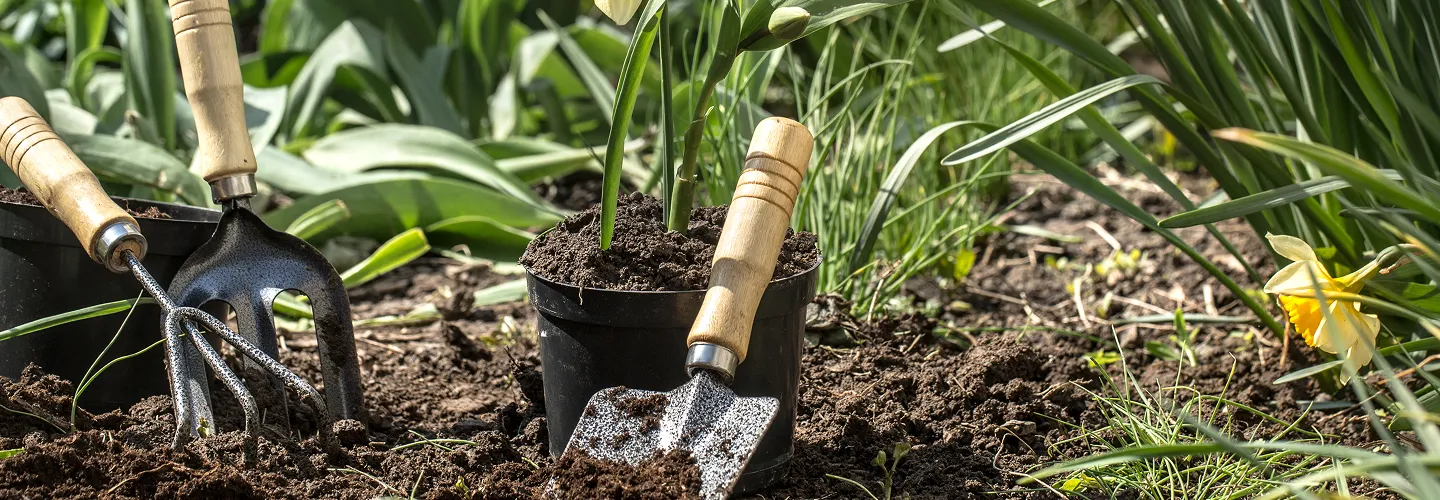
Dartmouth Flower Bed Maintenance Services
Choose our Flower Bed Maintenance for expert care that ensures your garden stays healthy, colorful, and weed-free—so you can enjoy a beautiful outdoor space without the hassle.
Get a Free QuoteOur Dartmouth Landscaping & Yard Care Services
When to Schedule Flower Bed Maintenance in Dartmouth, Massachusetts – Seasonal Guide
In Dartmouth, Massachusetts, the timing of flower bed maintenance is closely tied to our unique coastal climate and local landscape features. Early spring, just after the last frost—typically in late April—is ideal for cleaning beds, dividing perennials, and preparing soil. This ensures plants are ready to thrive as temperatures rise. Fall maintenance, especially in late September through October, is equally important for mulching, removing spent annuals, and protecting roots before winter sets in. Dartmouth’s proximity to Buzzards Bay and the Paskamansett River means humidity and salt air can affect plant health, while neighborhoods like Smith Mills and Bliss Corner often experience microclimates due to varying tree cover and elevation. Homeowners should also consider local soil types, which range from sandy near the coast to richer loam inland, and be mindful of municipal guidelines found on the Town of Sudbury’s website, which sometimes influence landscaping practices.
Local Factors to Consider for Flower Bed Maintenance in Dartmouth
- Tree density and shade coverage, especially in areas like Russells Mills
- Soil type variations from coastal sand to inland loam
- Average precipitation and risk of summer droughts
- Frost dates and temperature swings near the water
- Terrain and drainage, particularly in low-lying neighborhoods
- Municipal restrictions or guidelines on fertilizer and water use
Benefits of Flower Bed Maintenance in Dartmouth
Enhanced Curb Appeal
Weed and Pest Control
Healthier Plant Growth
Seasonal Color Management
Professional Expertise
Time and Effort Savings

Dartmouth Flower Bed Maintenance Types

Seasonal Flower Planting
-
Weed Control Services
-
Mulching and Soil Conditioning
-
Pruning and Deadheading
-
Fertilization Programs
-
Pest and Disease Management
-
Edging and Bed Redefining
Our Flower Bed Maintenance Process
Site Evaluation
Weed Removal
Soil Preparation
Plant Care
Mulching
Why Choose Dartmouth Landscape Services
-
Dartmouth Homeowners Trust Us
-
Expert Lawn Maintenance
-
Reliable Seasonal Cleanup
-
Competitive Pricing
-
Professional Team
-
Satisfaction Guarantee
-
Personalized Service
Managing Dartmouth’s Glacial Till Soils for Sustainable Flower Bed Maintenance
Dartmouth’s predominant soils, as identified by the USDA Web Soil Survey, are glacial till and coastal sandy soils, often acidic (pH 5.2–6.0) and moderately to poorly drained. These conditions require careful soil amendment for flower bed health. Incorporate 2–3 inches of compost tilled to a 6-inch depth to improve organic matter and drainage. Lime application is recommended if pH falls below 6.0, with soil testing available through UMass Extension (typical cost: $15–25). For beds near wetlands, maintain a 25-foot no-disturbance buffer as required by local ordinance. Avoid overwatering, as seasonal high water tables can saturate beds, especially in low-lying areas. Mulching with 2–3 inches of organic material helps retain moisture and suppress weeds. For technical guidance, consult:
Dartmouth Department of Public Works
400 Slocum Road, Dartmouth, MA 02747
Phone: (508) 999-0740
Official Website: Dartmouth Department of Public Works
Seasonal Timing and Weather Considerations for Flower Bed Care in Dartmouth
Dartmouth’s climate, classified as USDA Hardiness Zone 6b, features cool springs and moderate summers, with average last frost dates in late April and first frost in late October. Optimal planting for annuals and perennials is April 20–May 30, when soil temperatures reach 50–60°F. Mulching and fertilization should be completed by mid-May. Avoid major soil disturbance or planting during June–August heat stress periods. Fall clean-up and perennial division are best scheduled September 15–October 31, before the first hard frost. Monitor local weather forecasts through the National Weather Service – Boston/Norton Office for frost advisories and rainfall events. Key timing guidelines:
- Spring planting: April 20–May 30
- Mulching/fertilizing: By May 15
- Fall clean-up: September 15–October 31
- Avoid: June–August for new plantings
Municipal Collection and Disposal Protocols for Flower Bed Debris in Dartmouth
Proper disposal of flower bed debris in Dartmouth is governed by the town’s yard waste collection program. Weekly curbside pickup occurs every Thursday from April through November. Accepted materials include leaves, grass clippings, and brush under 4 feet in length, placed in biodegradable paper bags or 32-gallon reusable bins. Plastic bags and branches over 4 inches in diameter are prohibited. Residents must place containers curbside by 7:00 AM on collection day. For large volumes or off-schedule disposal, the Dartmouth Transfer Station accepts yard waste during posted hours. Compliance with these protocols prevents stormwater violations under the Clean Water Act and Dartmouth’s MS4 permit. For program details:
Dartmouth Department of Public Works
400 Slocum Road, Dartmouth, MA 02747
Phone: (508) 999-0740
Official Website: Dartmouth Department of Public Works
Environmental Compliance: Wetland Buffers and Stormwater Protection in Dartmouth
Flower bed maintenance near Dartmouth’s wetlands, streams, and conservation areas is subject to strict environmental regulations. The Massachusetts Environmental Policy Act (MEPA) and Dartmouth’s local bylaws require a minimum 25-foot no-disturbance buffer from all jurisdictional wetlands. No fertilizer or pesticide application is permitted within 50 feet of water bodies. Clippings and soil must not enter storm drains, in accordance with Dartmouth’s MS4 permit and Massachusetts Department of Environmental Protection stormwater rules. For properties adjacent to protected areas, consult the Conservation Commission for site-specific requirements. Key compliance steps:
- Maintain 25-foot wetland buffer
- No chemicals within 50 feet of water
- Prevent debris in storm drains
- Consult Conservation Commission for permits
Dartmouth Conservation Commission
400 Slocum Road, Dartmouth, MA 02747
Phone: (508) 910-1867
Official Website: Dartmouth Conservation Commission
Selecting Native and Resilient Plant Species for Dartmouth Flower Beds
Selecting plant species adapted to Dartmouth’s climate and soils is essential for sustainable flower bed maintenance. Recommended perennials for full sun include black-eyed Susan (Rudbeckia hirta), purple coneflower (Echinacea purpurea), and daylily (Hemerocallis spp.). For partial shade, consider coral bells (Heuchera americana), astilbe (Astilbe chinensis), and hosta (Hosta spp.). Deer-resistant options such as lavender (Lavandula angustifolia), Russian sage (Perovskia atriplicifolia), and salvia (Salvia nemorosa) are effective in areas with wildlife pressure. Native species like wild bergamot (Monarda fistulosa), Joe Pye weed (Eutrochium purpureum), and cardinal flower (Lobelia cardinalis) support pollinators and require less irrigation. Plant spacing should be 12–24 inches, depending on mature size. For detailed plant selection and soil testing, consult:
UMass Extension
UMass Amherst, Amherst, MA 01003
Phone: (413) 545-4800
Official Website: UMass Extension
What Neighborhoods Do We Serve Throughout Dartmouth, MA?
- Padanaram Village: Coastal proximity and sandy soils require salt-tolerant, drought-resistant plantings and careful irrigation management for flower beds.
- Smith Mills: Older residential area with mature trees and compacted glacial till soils; beds often need soil amendment and root competition management.
- South Dartmouth: Larger lots and proximity to wetlands necessitate strict buffer compliance and attention to drainage in low-lying areas.
- North Dartmouth: Mix of new developments and commercial properties; urban fill soils may require additional compost and pH adjustment for optimal plant growth.
- Russells Mills: Rural character with high water table and seasonal flooding; raised beds and native wetland species are recommended.
- Apponagansett: Near Apponagansett Bay, beds face salt spray and wind exposure; select hardy, wind-resistant perennials and maintain mulch for moisture retention.
- Bliss Corner: Dense residential area with limited space; focus on compact, shade-tolerant species and compliance with local setback requirements.