
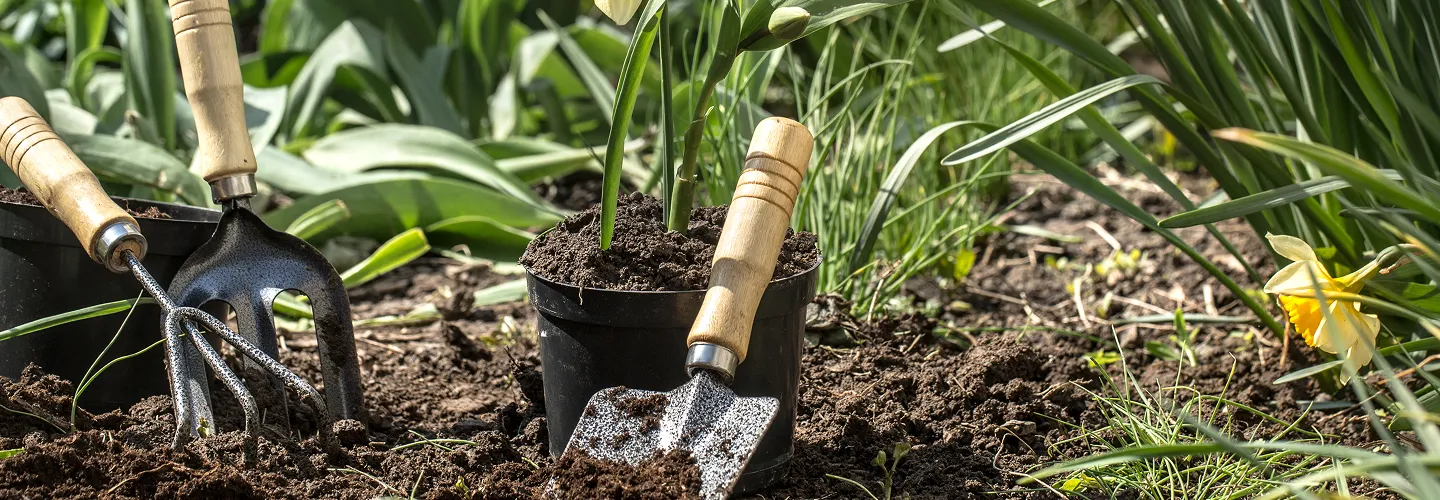
Dartmouth Flower Planting Services
Choose our flower planting services for expert design, healthy plants, and vibrant color that lasts all season—making your garden the envy of the neighborhood.
Get a Free QuoteOur Dartmouth Landscaping & Yard Care Services
When to Schedule Flower Planting in Dartmouth, Massachusetts – Seasonal Guide
In Dartmouth, Massachusetts, timing your flower planting is crucial for vibrant, long-lasting blooms. The region’s coastal climate, with its moderate humidity and variable spring temperatures, means that the best planting windows are typically from late April to early June and again in early fall. Local neighborhoods like Padanaram Village and the areas surrounding UMass Dartmouth often experience late frosts, so it’s wise to wait until after the last frost date—usually mid-May—before planting annuals or tender perennials. Soil in Dartmouth tends to be sandy with occasional clay pockets, especially near the Slocum River, so amending your beds for optimal drainage and fertility is recommended.
Environmental factors such as summer drought risk, shade from mature oaks and maples, and the salt air near Apponagansett Bay all play a role in determining the best planting times and flower varieties. Homeowners should also be aware of any municipal watering restrictions, which are updated seasonally on the Town of Sudbury’s website. By considering these local nuances, you can ensure your garden thrives throughout the growing season.
Local Factors to Consider for Flower Planting in Dartmouth
- Proximity to the coast and salt air exposure
- Average last frost date (mid-May)
- Soil type and drainage (sandy or clay-rich areas)
- Tree density and available sunlight
- Summer drought risk and humidity levels
- Terrain and elevation (especially near rivers or wetlands)
- Municipal watering restrictions and guidelines
Benefits of Flower Planting in Dartmouth
Expert Local Knowledge
Customized Landscape Designs
Seasonal Plant Selection
Professional Planting Techniques
Enhanced Curb Appeal
Sustainable Landscaping Solutions
Dartmouth Flower Planting Types

Perennial Flower Beds
-
Annual Flower Displays
-
Native Plant Gardens
-
Pollinator-Friendly Plantings
-
Shade Garden Installations
-
Seasonal Bulb Planting
-
Container Flower Arrangements
Our Flower Planting Process
Site Evaluation
Soil Preparation
Plant Selection
Careful Planting
Watering and Mulching
Why Choose Dartmouth Landscape Services
-
Dartmouth Homeowners Trust Us
-
Expert Lawn Maintenance
-
Reliable Seasonal Cleanup
-
Competitive Pricing
-
Professional Team
-
Satisfaction Guarantee
-
Personalized Service
Soil Series and Site Preparation for Flower Planting in Dartmouth
Dartmouth’s predominant soils, as identified by the USDA Web Soil Survey, include the Bridgehampton silt loam and Paxton fine sandy loam, both of which are moderately well-drained but can exhibit seasonal wetness and moderate acidity (pH 5.5-6.5). Before planting, it is essential to conduct a soil test—available through UMass Extension for $15-25—to determine pH and nutrient needs. Common amendments include:
- Lime application for pH below 6.0
- Compost incorporation: 2-3 inches tilled to 6-inch depth
- Sulfur for pH above 7.0
Proper site preparation also requires maintaining a 25-foot buffer from wetlands and ensuring no soil disturbance within these zones, as mandated by the Massachusetts Environmental Policy Act (MEPA). For guidance on buffer compliance and soil management, coordinate with:
Dartmouth Department of Public Works
400 Slocum Road, Dartmouth, MA 02747
Phone: (508) 999-0740
Official Website: Dartmouth Department of Public Works
Optimal Flower Planting Windows and Climate Considerations in Dartmouth
Dartmouth is located in USDA Hardiness Zone 6b, with average annual minimum temperatures of -5°F to 0°F. The optimal window for planting hardy perennials and annuals is April 15 to June 1, when soil temperatures reach 50-60°F. Fall planting of bulbs and select perennials is best completed between September 15 and October 31, before the first frost. Key timing guidelines include:
- Spring planting: April 15 – June 1 (soil temp 50-60°F)
- Fall planting: September 15 – October 31
- Avoid planting during July-August heat stress
Monitor local weather patterns using the National Weather Service – Boston/Norton Office, which provides real-time soil temperature and frost advisories. For additional climate adaptation strategies, consult:
UMass Extension
UMass Amherst, Amherst, MA 01003
Phone: (413) 545-4800
Official Website: UMass Extension
Native and Recommended Flower Species for Dartmouth’s Microclimate
Selecting species adapted to Dartmouth’s climate and soils improves survival and reduces maintenance. Recommended native and regionally adapted species include:
- Full sun: Black-eyed Susan (Rudbeckia hirta), purple coneflower (Echinacea purpurea), daylily (Hemerocallis spp.)
- Partial shade: Coral bells (Heuchera americana), astilbe (Astilbe spp.), hosta (Hosta spp.)
- Deer resistant: Lavender (Lavandula angustifolia), Russian sage (Perovskia atriplicifolia), salvia (Salvia nemorosa)
- Wet sites: Cardinal flower (Lobelia cardinalis), Joe Pye weed (Eutrochium purpureum)
Spacing should be 12-18 inches for annuals and 18-24 inches for perennials to ensure healthy growth and airflow. For invasive species restrictions and plant selection guidance, refer to:
Dartmouth Conservation Commission
400 Slocum Road, Dartmouth, MA 02747
Phone: (508) 910-1864
Official Website: Dartmouth Conservation Commission
Municipal Coordination and Flower Bed Maintenance Ordinances in Dartmouth
Flower bed installation and maintenance in Dartmouth must comply with local ordinances regarding equipment operation and debris management. Key requirements include:
- Equipment operation hours:
- Monday-Friday: 7:00 AM – 7:00 PM
- Saturday: 8:00 AM – 6:00 PM
- Sunday/holidays: Prohibited
- Yard waste collection: Thursdays, April–November; use biodegradable bags or 32-gallon bins
- Prohibited: Plastic bags, branches over 4 inches diameter
- Maintain 25-foot buffer from wetlands and 50-foot setback from property lines for new beds
Violations may result in fines or required remediation. For collection schedules and ordinance details, contact:
Dartmouth Department of Public Works
400 Slocum Road, Dartmouth, MA 02747
Phone: (508) 999-0740
Official Website: Dartmouth Department of Public Works
Environmental Compliance: Stormwater, Wetlands, and State Regulations
All flower planting activities in Dartmouth must comply with the Massachusetts Environmental Policy Act (MEPA) and the town’s MS4 stormwater permit, which prohibits soil, mulch, or plant debris from entering storm drains. Key compliance steps include:
- Maintain 25-foot no-disturbance buffer from wetlands
- No fertilizer or pesticide application within 50 feet of water bodies
- Use only approved organic mulches; avoid dyed or synthetic products
- Report any runoff or erosion to the Department of Public Works
For state-level environmental guidance, consult:
Massachusetts Department of Environmental Protection
One Winter Street, Boston, MA 02108
Phone: (617) 292-5500
Official Website: Massachusetts Department of Environmental Protection
For federal stormwater requirements, refer to Clean Water Act and EPA Region 1.
What Neighborhoods Do We Serve Throughout Dartmouth, MA?
- Padanaram Village: Features historic homes and mature landscaping, with well-drained sandy loam soils and proximity to Apponagansett Bay, requiring careful buffer management near water.
- Smith Mills: Suburban area with moderate lot sizes, compacted soils from development, and frequent wet spots, making soil amendment and drainage planning essential.
- South Dartmouth: Includes coastal properties with salt exposure and sandy soils, necessitating salt-tolerant and drought-resistant flower species.
- North Dartmouth: Mix of residential and agricultural land, with heavier Paxton soils and higher clay content, requiring deep tilling and organic matter incorporation.
- Russells Mills: Rural area with forested lots, acidic soils, and proximity to protected wetlands, demanding strict compliance with buffer and wetland regulations.
- Bliss Corner: Densely developed, smaller lots with urban fill soils and limited access, often requiring raised beds and careful plant selection for shade and compaction.
- Hixville: Features larger lots, variable drainage, and occasional slope challenges, making erosion control and proper site grading important for successful flower planting.