
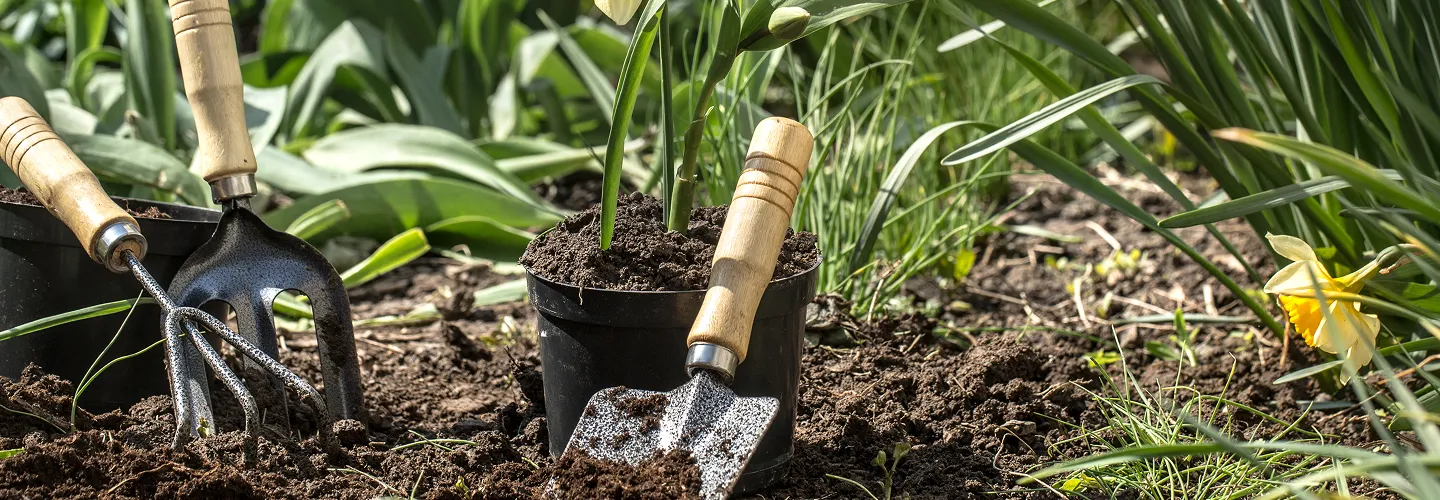
Dartmouth Lawn Installation Services
Choose our expert lawn installation for a seamless, hassle-free transformation—enjoy a vibrant, healthy yard that enhances your home’s beauty and value for years to come.
Get a Free QuoteOur Dartmouth Landscaping & Yard Care Services
When to Schedule Lawn Installation in Dartmouth, Massachusetts – Seasonal Guide
Choosing the right time for lawn installation in Dartmouth, Massachusetts is essential for achieving a healthy, resilient yard. The region’s coastal climate, with its cool springs and humid summers, means that early fall and late spring are typically the best windows for new lawn establishment. These periods offer moderate temperatures and consistent rainfall, which help new grass roots take hold before the extremes of summer heat or winter frost set in.
Local factors such as the proximity to Buzzards Bay, the shaded streets of Padanaram Village, and the sandy loam soils common in neighborhoods near Russells Mills all play a role in determining the best installation timing. Homeowners should also consider Dartmouth’s average last frost date in late April and the potential for summer droughts, which can impact seed germination and sod rooting. For more information on local climate and environmental guidelines, visit the Town of Sudbury’s official site.
Local Factors to Consider for Lawn Installation in Dartmouth
- Tree density and shade coverage, especially in areas like Smith Neck Road
- Soil type and drainage, with sandy soils requiring different preparation than clay-rich areas
- Precipitation patterns and risk of summer drought
- Terrain and slope, which affect water runoff and soil erosion
- Municipal restrictions or watering ordinances during dry months
Benefits of Lawn Installation in Dartmouth
Expert Landscaping Services
Premium Quality Sod
Fast and Efficient Installation
Customized Lawn Solutions
Enhanced Curb Appeal
Local Dartmouth Experience
Dartmouth Lawn Installation Types

Sod Installation
-
Hydroseeding
-
Artificial Turf Installation
-
Traditional Seeding
-
Eco-Friendly Lawn Solutions
-
Drought-Resistant Lawns
-
Overseeding Existing Lawns
Our Lawn Installation Process
Site Evaluation
Soil Preparation
Lawn Installation
Watering and Initial Care
Why Choose Dartmouth Landscape Services
-
Dartmouth Homeowners Trust Us
-
Expert Lawn Maintenance
-
Reliable Seasonal Cleanup
-
Competitive Pricing
-
Professional Team
-
Satisfaction Guarantee
-
Personalized Service
Soil Preparation and Site Assessment for Lawn Installation in Dartmouth
Successful lawn installation in Dartmouth requires careful assessment of local soil conditions, which are predominantly Inceptisols and Spodosols with glacial till and coastal sandy soils. Soil pH typically ranges from 5.0 to 6.5, often necessitating lime application to raise pH for optimal turf growth. Before installation, conduct a soil test through UMass Extension (cost: $15-25) to determine nutrient needs and organic matter content. Incorporate 2-3 inches of compost tilled to a 6-inch depth to improve structure and drainage, especially in areas with compacted or poorly drained soils. For detailed soil mapping, consult the USDA Web Soil Survey. Adherence to these practices ensures healthy root establishment and long-term turf performance.
Municipal Coordination: Yard Waste Disposal and Permit Requirements in Dartmouth
Lawn installation projects in Dartmouth must comply with municipal waste management and permitting protocols. The Department of Public Works oversees yard waste collection, which occurs every Thursday from April through November. Accepted materials include grass clippings, sod, and brush under 4 feet, placed in biodegradable bags or 32-gallon reusable bins; plastic bags and branches over 4 inches in diameter are prohibited. For projects involving significant grading or work within 100 feet of wetlands, a permit is required, with a typical application fee of $50 and a review period of 10 business days. All work must maintain a 25-foot no-disturbance buffer from wetlands. For further guidance:
Dartmouth Department of Public Works
400 Slocum Road, Dartmouth, MA 02747
Phone: (508) 999-0740
Official Website: Dartmouth Department of Public Works
Climate and Seasonal Timing: Optimal Windows for Lawn Installation in Dartmouth
Dartmouth is located in USDA Hardiness Zone 6b, with cool, moist springs and moderate summers. The ideal periods for lawn installation are April 15–May 30 (spring) and August 20–September 30 (fall), when soil temperatures range from 50–65°F. Avoid installation during June–August due to heat stress and increased weed pressure. Monitor local weather forecasts through the National Weather Service – Boston/Norton Office to plan around rainfall and temperature fluctuations. For cool-season grasses, fertilize in early May and again in September. Key timing guidelines:
- Spring seeding: April 15–May 30
- Fall seeding: August 20–September 30
- Fertilization: Early May and September
- Avoid: June–August (heat stress period)
Environmental Compliance: Stormwater and Wetland Protections in Dartmouth
Lawn installation near Dartmouth’s wetlands, streams, and conservation areas is regulated under the Massachusetts Environmental Policy Act (MEPA) and the federal Clean Water Act. The town’s MS4 permit prohibits the discharge of soil, sod, or clippings into storm drains. Maintain a minimum 25-foot buffer from all wetlands and a 50-foot setback from water bodies for fertilizer or pesticide application. Use only phosphorus-free fertilizers unless a soil test indicates deficiency. For additional compliance information:
Massachusetts Department of Environmental Protection
Boston, MA
Official Website: Massachusetts Department of Environmental Protection
Species Selection and Turf Recommendations for Dartmouth Lawns
Selecting turf species suited to Dartmouth’s climate and soils is essential for sustainable lawn establishment. Recommended cool-season grasses include Kentucky bluegrass (Poa pratensis), perennial ryegrass (Lolium perenne), and fine fescue (Festuca spp.). For shaded areas, use ‘Midnight’ Kentucky bluegrass or creeping red fescue. Space sod seams tightly and stagger joints for uniform coverage. For seed, apply at 3–5 lbs per 1,000 sq ft. Species recommendations:
- Full sun: Kentucky bluegrass, perennial ryegrass
- Partial shade: Fine fescue, ‘Midnight’ Kentucky bluegrass
- High-traffic: Turf-type tall fescue
- Native options: Little bluestem (Schizachyrium scoparium) Consult UMass Extension for additional guidance on species selection and disease management.
What Neighborhoods Do We Serve Throughout Dartmouth, MA?
- Padanaram Village: Coastal proximity and sandy soils require drought-tolerant turf and careful irrigation management. Properties often face salt exposure and wind stress.
- Smith Mills: Suburban development with compacted glacial till soils; core aeration and compost amendment are recommended for successful lawn establishment.
- South Dartmouth: Larger lots with mature trees and partial shade; select shade-tolerant turf species and monitor for root competition.
- North Dartmouth: Mix of residential and commercial properties, with variable drainage and occasional wetland adjacency; observe all buffer and setback requirements.
- Apponagansett: Near Apponagansett Bay, properties may be subject to conservation restrictions and higher water tables, necessitating elevated installation and stormwater controls.
- Russells Mills: Rural area with loamy soils and open exposure; wind desiccation and wildlife browsing may impact new lawns, requiring protective measures.
- Bliss Corner: Dense residential lots with limited access; equipment size and noise ordinance compliance are important considerations for installation crews.